Keeping Commercial Kitchens Fire-Safe and Compliant
Commercial Kitchen Exhaust Vent Hood Inspections based in Comanche serving the surrounding towns for grease buildup and fire hazard prevention
Commercial kitchen exhaust systems accumulate grease inside vent hoods, and fans faster than most operators expect, creating fire hazards that threaten both property and occupants. H2 Air Duct Cleaning LLC provides Commercial Kitchen Exhaust Vent Hood Inspections in Comanche and the surrounding Central Texas area that assess grease buildup, airflow restrictions, ventilation performance, and fire safety readiness. Restaurants, cafeterias, and other food service facilities depend on these evaluations to identify risks before they escalate into code violations or emergency shutdowns.
Inspection services examine exhaust hoods, filters, and exhaust fans to measure grease accumulation and determine whether ventilation systems move heat, smoke, and airborne grease effectively out of the kitchen environment. Many commercial kitchen exhaust systems require professional service every three months to support compliance with fire prevention standards and maintain insurance coverage, especially in high-volume operations where grease vapor exposure remains constant throughout service hours.
Schedule a commercial kitchen exhaust inspection to document current system condition and identify necessary maintenance.
Fire Prevention
Grease is highly flammable. Over time, grease vapors from cooking collect in the hood, ductwork, and exhaust fan.
If grease buildup is not removed.
• A small cooking flare-up can ignite the grease inside the hood system.
• Fires can spread rapidly through the duct system and into the building.
• Fire suppression systems may not work properly if grease blocks them.
According to NFPA 96 (National Fire Protection Association) guidelines, commercial kitchen exhaust systems must be regularly inspected and cleaned to prevent grease fires.
Health & Safety Compliance
Health and fire inspectors routinely check vent hood systems.
If the hood system is dirty, restaurants may face:
• Failed inspections
• Fines or violations
• Temporary shutdowns
Regular cleaning helps ensure compliance with:
• Local fire codes
• Health department regulations
• Insurance requirements
Improved Air Quality & Ventilation
A clean hood system removes smoke, grease vapors, heat, and odors effectively.
When grease builds up:
• Airflow becomes restricted.
• Kitchens become hotter and smokier.
• Staff comfort and productivity decrease.
Properly cleaned systems maintain strong airflow and ventilation.
Better Equipment Performance
Grease buildup can affect the exhaust fan and ventilation system.
Routine cleaning:
• Keeps fans running efficiently
• Prevents motor strain and breakdowns
• Extends the lifespan of the equipment
This helps reduce costly repairs and downtime.
Insurance Protection
Many insurance companies require proof of regular hood cleaning. If a fire occurs and the hood system was not properly maintained:
• Insurance claims may be denied
• Businesses may be liable for damages
Professional hood cleaning services typically provide before/after photos and service reports as documentation.
What Proper Exhaust Inspections Require
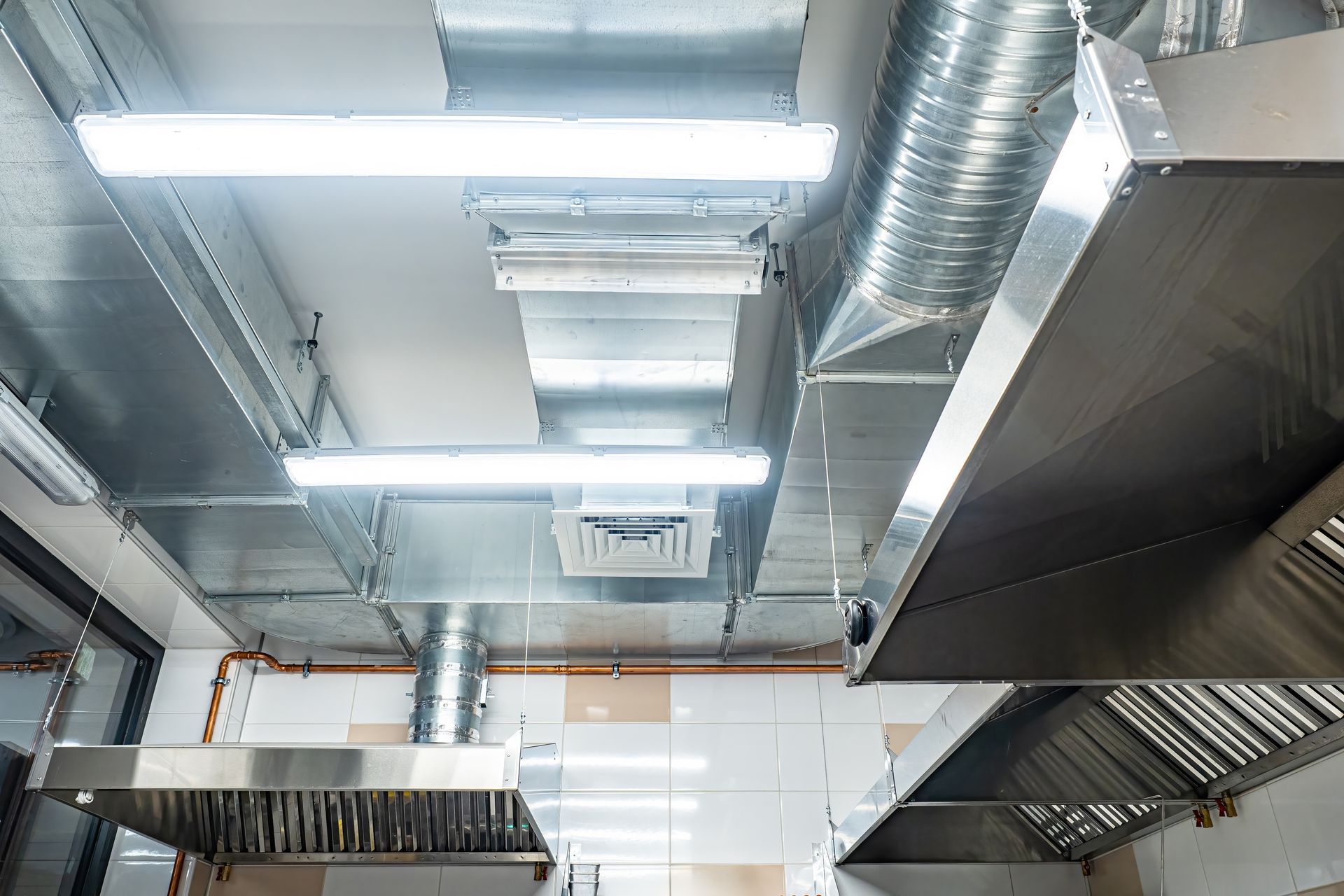
Inspectors access the full exhaust path from the hood canopy through the ductwork to the rooftop fan, checking for grease deposits that restrict airflow or pose ignition risks. Grease buildup often concentrates at bends in ductwork, around fan housings, and along horizontal duct runs where vapor slows and condenses, creating layers that standard filter changes do not address.
After the inspection, you receive documentation that records grease thickness measurements and locations where buildup exceeds safe thresholds. This reporting supports compliance audits, insurance requirements, and operational planning, giving kitchen managers clear evidence of system condition and actionable maintenance timelines.
Recurring inspection programs track system performance over time, allowing food service operators to schedule cleanings based on actual grease accumulation rates rather than arbitrary intervals. Inspections also identify mechanical issues such as failing fan motors, damaged ductwork seams, or missing access panels that compromise ventilation effectiveness and complicate future maintenance efforts.
What Food Service Operators Usually Ask
Businesses operating commercial kitchens in Comanche and surrounding central Texas towns often have questions about inspection frequency, documentation requirements, and how exhaust system condition affects operations and safety compliance.
How often should commercial kitchen exhaust systems be inspected?
High-volume kitchens typically need inspections every three months to identify grease buildup before it reaches levels that trigger fire code violations or compromise ventilation performance.
What does an exhaust hood inspection include?
Inspectors evaluate the hood canopy, baffle filters, ductwork interior, exhaust fans, and roof terminations, measuring grease thickness and testing airflow to confirm the system removes heat and vapor as designed.
Why do grease deposits build up even with regular filter cleaning?
Filters capture large grease particles, but aerosolized grease vapor travels past filters and condenses inside ductwork, especially at cooler sections and directional changes where airflow slows.
What documentation do inspections provide?
You receive written reports detailing grease measurements, ventilation test results, identified deficiencies, and recommended maintenance actions, which support fire marshal inspections and insurance audits.
When should inspections be scheduled?
Plan inspections during slower operational periods or before health department reviews, and establish recurring schedules that align with your kitchen's cooking volume and grease production rate.
H2 Air Duct Cleaning LLC works with restaurants and commercial food service facilities throughout Abilene, Comanche and central texas to maintain exhaust systems that meet fire safety standards and support uninterrupted kitchen operations. Set up an inspection scheduling program to keep your exhaust system compliant and reduce fire risk.